Overview
As a firm dedicated to restoration and pipe organ preservation, our team subscribes to the objectives and standards of the American Institute of Organ Builders and the Organ Historical Society. This means that your church instrument will always retain the character and ingenuity of its original builder without sacrificing the reliability required for extensive use.The timeline and cost of restoration work depend on the size of the instrument, condition of the existing components, and the amount of restoration required. Following inspection, we provide recommendations and a detailed estimate tailored to each organ. To learn how our restoration services have helped other churches and organizations preserve their instruments, Click here to read our Google Reviews. You can also explore our restoration process by watching our YouTube channel videos and before-and-after restoration videos where we showcase the craftsmanship and care that go into every restoration.
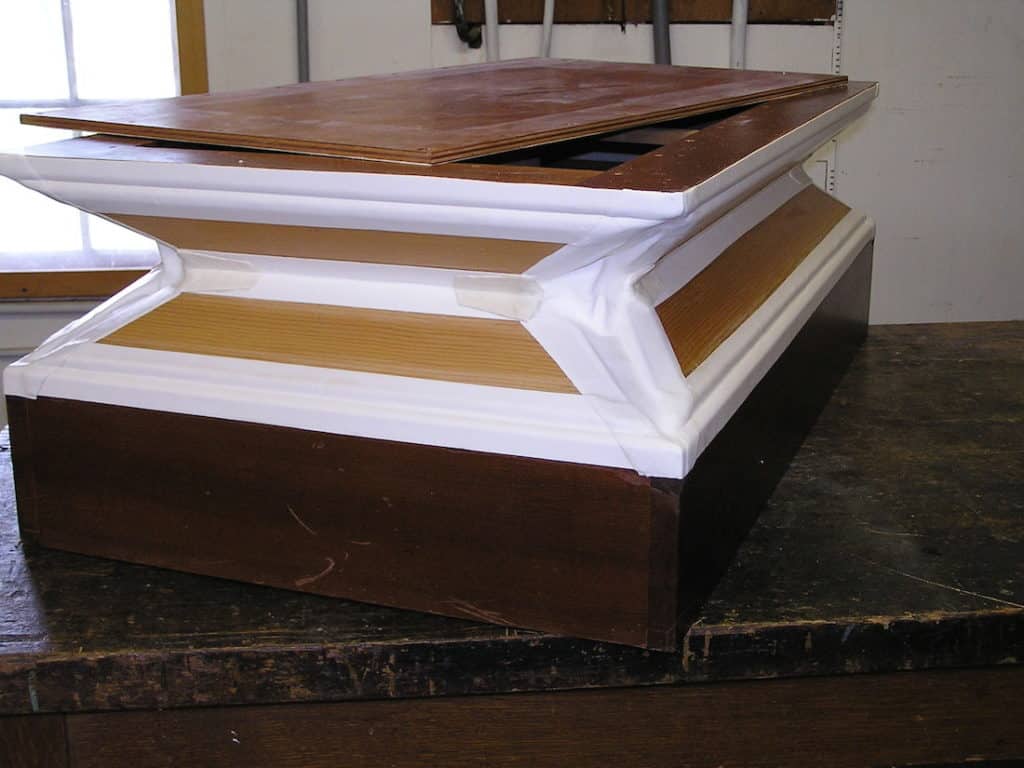
Extend the life of your organ by decades with re-leathering using time tested and proven techniques
Re-leathering is a key component of pipe organ restoration. Bellows, which are found in pipe organs of every type, require re-leathering in order to provide a stable supply of wind from the blower motor to wind chests and other components. As leather ages it becomes brittle, causing bellows to leak and eventually blow-out.
Learn more about pipe stopper re-leathering by reading our in-depth blog. Explore how replacing worn leather on wooden pipe stoppers improves tuning stability, extends the life of your pipe organ, and supports reliable long-term performance. Click here to read more on our blog.
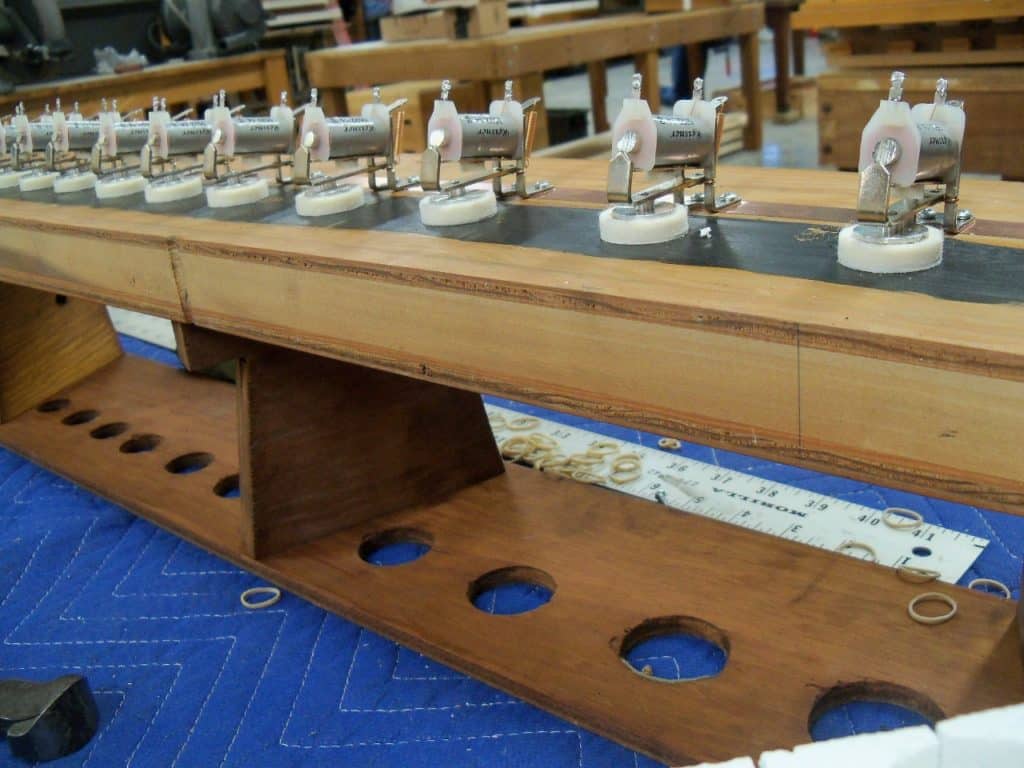
Increase reliability of your pipe organ’s electro-mechanical components
Other restoration projects involve the control systems such as switches, magnets and actions that operate the pouches described above. These control systems have their own specific maintenance concerns.
Our process begins with a detailed inspection of the organ’s mechanical and electrical systems, followed by a restoration plan focused on improving reliability while preserving the instrument’s original character
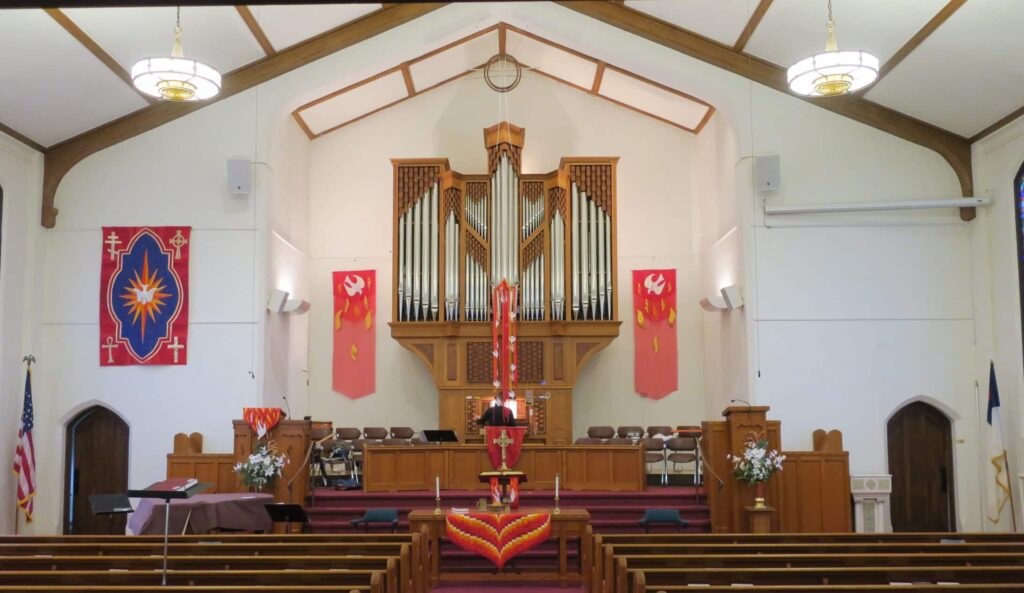
Add to the grandeur of your instrument with Tonal Additions
Space permitting restorations can also include adding preferred pipe ranks to the organ or other bells and whistles to support modern liturgical practices.
Tonal additions are customized based on the organ’s existing design, available space, musical goals, and the needs of the musicians who use the instrument.
Click here to read our blog on how Church Acoustics play a key role in Tonal Quality
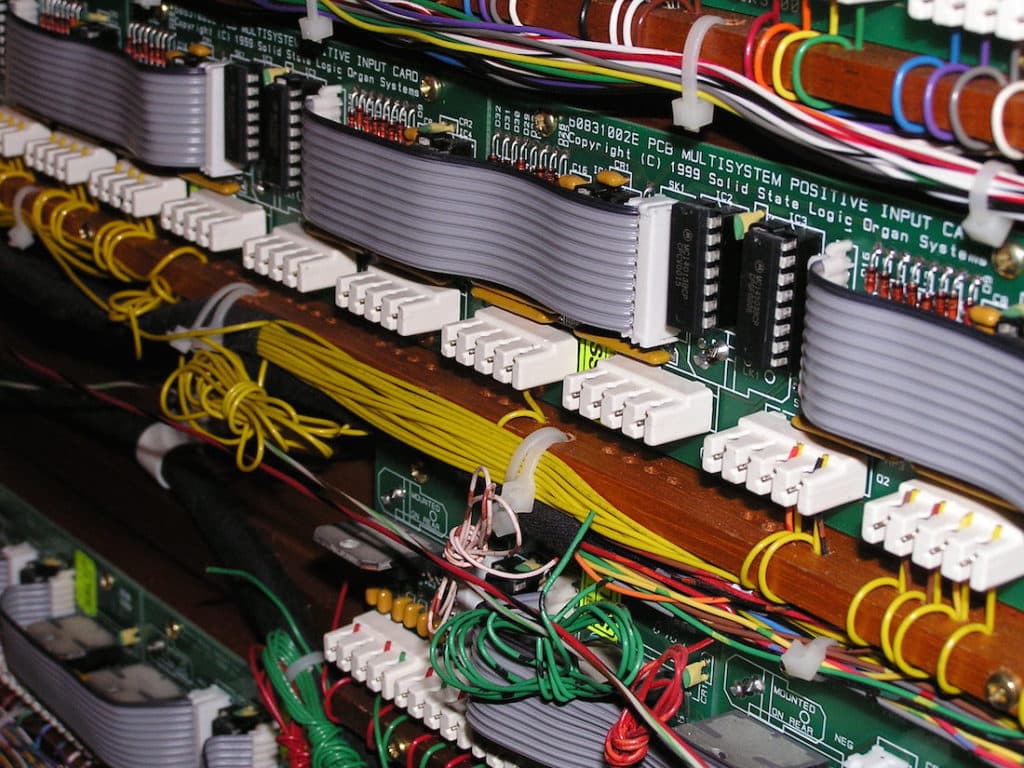
Upgrading your pipe organ with State of the Art Solid State technology.
For the past decade we have successfully melded old world craftsmanship with technological upgrades to pipe organs.
As an authorized installer and experienced integrator, Leek Pipe Organ Company works with industry-leading Solid State Organ Systems technology to provide reliable control systems and modern functionality while preserving the character of each instrument.
Want to learn more about modern pipe organ control systems? Read our blog, by clicking on Pipe Organ Control Systems That You Can Count On.
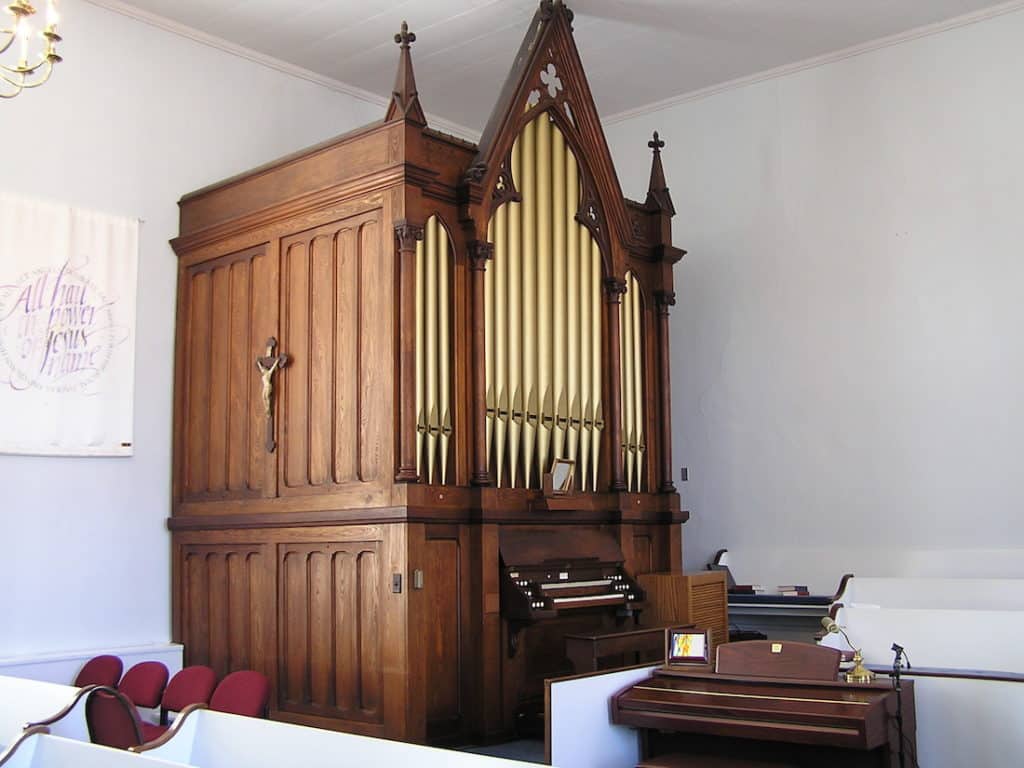
Preserve local/church history while being green
By choosing to restore your existing pipe organ, you have an opportunity to make a positive environmental impact in your community and church. Depending on the size of the organ, new builds require extensive use of wood and other materials that put a further drain on an already stretched ecosystem.
Many historic pipe organs are documented in the Organ Historical Society’s National Pipe Organ Database. Click here to see if your instrument is listed and learn more about its history.
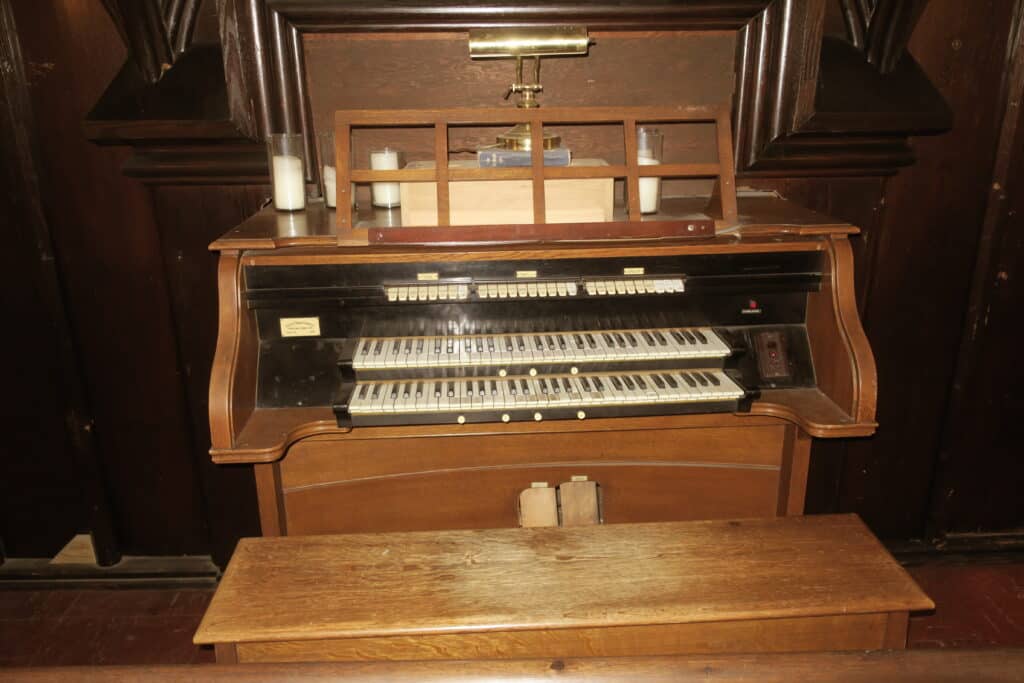
Keyboards, Pedals, and Components
Pedal & Keyboards
Pedal board and keyboards are indispensable components of your instrument and are exposed to the most wear and tear due to constant use. The first noticeable signs of wear are when the pedal boards may become noisy and the keys on the keyboard seem uneven.
Replacing components
Outdated console technology is often the cause of dead notes, coupler failure, and general unreliability. Just as national electrical code and computer technology constantly evolve, standards in the pipe organ industry have changed profoundly over the past 100 years.
To learn more about our restoration process and see the craftsmanship involved, explore our before and after restoration videos by clicking here.
Pipe organ restoration may include bellows re-leathering, wind chest repairs, electro-mechanical upgrades, blower motors, tonal improvements, console restoration, and modernization of outdated components while preserving the original character of the instrument.
The cost of pipe organ restoration depends on the size, age, condition, and scope of work required. Leek Pipe Organ Company provides a detailed inspection and customized estimate based on each instrument’s needs.
Restoration timelines vary depending on the complexity of the instrument and required work. After inspection, Leek Pipe Organ Company provides a recommended restoration plan with estimated timelines. Typically restoration may take from a few months to few years.
Signs that an organ may need restoration include unreliable notes, air leaks, significant fire, water and lighting damage, tuning instability, outdated electrical systems, damaged leather components, sub par maintenance and inconsistent performance.
Contact us by filling out the form below.
We are here to help you to improve the sound quality of your organ. Contact us as soon as possible .